
Can a Torn Family Photo Be Restored? What to Bring Before You Get a Quote
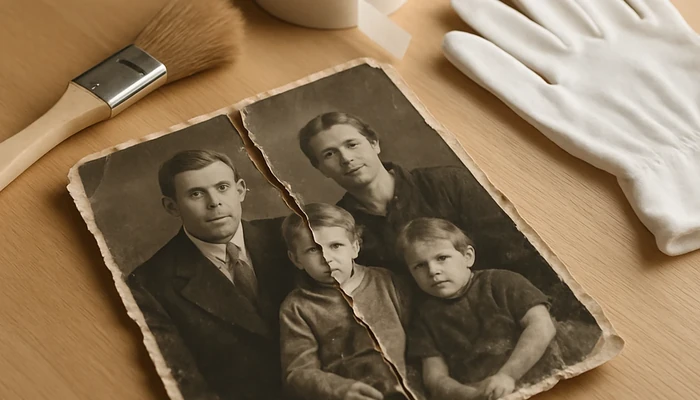
Family photos are irreplaceable treasures—capturing weddings, maternity milestones, the first days of a newborn, or generations together in a single frame. But what happens if such a cherished photograph is torn or damaged? If you’ve ever wondered, “Can a torn family photo be restored?” or felt unsure what you’d need to bring to get an accurate restoration quote, this comprehensive guide is for you. We’ll explain the restoration process, how to choose the right photographer, what to expect from a session, and key preparation tips. Whether you’re in Chicago, Illinois, or elsewhere, these insights will help you care for your most precious memories.
Why Restoring and Preserving Family Photos Matters
Moments That Don’t Come Twice: Weddings, Maternity, Newborn, and More
Certain moments—like a wedding day, pregnancy, the early days with a new baby, or a rare family reunion—simply don’t happen twice. Family photos are often the only way to revisit these once-in-a-lifetime occasions. Restoring a torn or damaged family photo can bring these stories back to life for you and for future generations.
Why Professional Photography and Restoration Is Different
While anyone can snap a picture with a phone, professional photography captures emotion, lighting, and detail in a way that preserves true memories. Restoration, too, demands artistry and expertise. Skilled professionals use advanced techniques to repair tears, fading, stains, and missing details with care—respecting the people and the moment in every image.
For deeper insight on why protecting memories matters, you might explore ideas to preserve your photos for future generations.
Types of Photography Sessions Related to Photo Restoration
How a Restoration Consultation or Session Works
When seeking restoration for a torn family photo, the process typically starts with a consultation. The photographer assesses the damage, discusses your expectations, and explains what’s possible. They’ll let you know if the original can be digitally scanned, what level of repair can be done, and offer a quote. Some studios, like Video Studio Jimenez, may also suggest new professional sessions—like recreating family portraits or capturing multi-generational moments.
Locations: Studio, Outdoor, At Home, or Event Venue
- Studio: Controlled lighting and access to restoration equipment make studios an excellent choice for both photography and scanning/restoration appointments.
- At Home: For especially delicate or historic photos, some families prefer consultations in their own space.
- On Location: If part of the restoration process includes re-shooting or recreating moments, outdoor or event venues can add emotional context to new images.
Comparison Table: Session Types and Suitability
| Session Type | Best For | Time Needed | Deliverables |
|---|---|---|---|
| Photo Restoration Consultation | Torn, faded, damaged images | 30–45 min | Quote, scan, plan of action |
| Studio Portrait Session | Family, newborn, maternity | 1–2 hours | Digital files, prints |
| On-Location Session | Weddings, events | 2–5 hours | Albums, digital sets |
| Passport Photo Session | Official documents | 15–20 min | Printed/passport-ready photos |
If you are interested in more restoration ideas, visit Ideas For Quality Restoration Of Old Pictures.
Common Mistakes in Choosing a Photographer or Planning Restoration
1. Prioritizing Price Over Experience
Cheap quotes can be tempting, but restoring a torn photo is a meticulous work that demands expertise. Choosing based on price alone can result in poor outcomes and even more damage to the original image.
2. Forgetting to Communicate Your Expectations
Every family values different details—be clear about what memories and features matter most before the process begins. Providing context, such as the names or relationships of people in the image, helps guide restoration for the best results.
3. Not Bringing All Relevant Materials
If you’re seeking a quote, forgetting to bring the original photo, or reference images can delay the process. Originals, negatives, previous attempts at repair, and even similar undamaged photos are important.
For more on avoiding mistakes, see common mistakes in photo restoration.
How to Prepare: Best Practices Before Photo Restoration
Preparing for Your Session or Consultation
- Handle old photographs with clean, dry hands—avoid touching the image area directly if possible.
- Place torn or fragile photos in acid-free sleeves or envelopes for transport.
- Gather related materials: negatives, previous prints, high-resolution scans, and undamaged reference photos from the same time period, if available.
- Write down any background: dates, names, stories tied to the image.
What to Bring for an Accurate Restoration Quote
- The original torn or damaged photo(s).
- Any separated pieces of the image (sometimes fragments can be aligned digitally).
- Reference photos (undamaged pictures from similar dates or of the same people).
- A list of desired restoration goals (for example: “repair tear, remove stains, keep original tones”).
- Notes on special requirements, e.g. “this photo will be used for a wedding anniversary display.”
Tips for Feeling Comfortable During a New Session
- Discuss your expectations with the photographer beforehand.
- Wear comfortable clothing if a portrait session is planned alongside restoration.
- Trust your photographer’s guidance for posing and lighting.
- Bring a sentimental item if it helps you relax—some families like to hold a memory from the original photo.
You can learn about different restoration techniques at improving quality through restoration.
Delivery, Formats, and Preserving Your Restored Photos
Formats: Digital, Print, Albums, Enlargements
- Digital Files: Restored images are usually provided as high-resolution digital files (JPG, TIFF).
- Prints: Premium prints on archival paper are recommended for longevity.
- Albums/Frames: Many families choose to frame restored photos or include them in new family albums.
Backing Up and Long-Term Care
Redundancy is key—keep multiple digital and physical copies. Store digital files on at least two devices and consider cloud backup. For prints, use acid-free environments, away from direct sunlight and humidity.
Find more tips in this guide on preserving photos.
Options for Restoring Very Damaged or Historic Photos
- Severe tears, missing fragments, or stains often can be digitally reconstructed by overlaying reference images or using expert retouching.
- If documentation is important (for example, historic family or heritage archives), maintaining a record of the restoration process can add value.
Ready to revive a precious image? Explore professional restoration services.
Frequently Asked Questions
Can a torn family photo with missing pieces be fully restored?
In many cases, skilled restoration experts can digitally reconstruct missing areas using reference images and careful editing. Some photos can achieve nearly seamless results; others may always reveal some evidence of repair.
What information should I provide before getting a quote?
Bring the original photo, any fragments, reference images, and details about the event, people, or era. Clear communication about your goals helps the restoration meet your expectations.
How long does photo restoration take?
Depending on complexity, most restorations are completed in one to three weeks. Severe damage or requests for large prints may take longer.
Does restoration damage the original photo?
Reputable studios, including Video Studio Jimenez, always treat originals gently—often working only from high-resolution scans. Physical handling is minimal and always explained up front.
Can I get both digital and printed versions of my restored photo?
Yes, most studios offer both formats. Clarify your preferences when you start the process.
What if I only have a digital scan, not the original?
High-resolution scans can often be restored nearly as well as the original. Bring the best quality scan available for an evaluation.
Do I need to schedule an appointment?
Scheduling is recommended to ensure proper evaluation, especially for fragile or valuable originals.
How much does it cost to restore a torn family photo?
Costs vary based on damage and desired results. Detailed quotes are best provided in person after evaluating the photo and requirements.
Can restoration be applied to color and black-and-white photos?
Yes. Digital techniques can faithfully restore both types of images, including color correction and tone recovery.
What are creative uses for restored family photos?
Restored images can become meaningful gifts, displays for special events, or additions to legacy albums. See creative gift ideas for restored photos for inspiration.
Conclusion and Next Steps
Restoring a torn family photo is not only possible—it’s a way to honor your history and pass memories forward. Preparing the right materials, understanding the process, and choosing experienced professionals, like those at Video Studio Jimenez, ensures your story is handled with care. Ready to begin?
Remember: Each family’s history is unique—restoration is as much about valuing your story as it is about technical skill. For more about other types of sessions, explore wedding photo options or newborn photography ideas.
About Video Studio Jimenez
Video Studio Jimenez is a professional photography studio serving families and couples in Chicago, Illinois and surrounding areas. With years of experience in wedding, maternity, newborn, studio, passport photo, and vintage photo restoration, Video Studio Jimenez brings emotion, technical skill, and care to every project. Trust your most important memories to a team that values family heritage as much as you do.
photographer chicago, Photo Restoration Chicago, old photo restoration Chicago, restore old photos Elmwood, professional photo restoration Deerfield, digital photo restoration Franklin Park, photo repair services Elgin, Photo Restoration Alta Vista Terrace, Restauración fotográfica Glencoe, old photo restoration Des Plaines