
Photo Restoration: When Archival Scanning Is Better Than Simple Digital Retouching
Every life is filled with moments that deserve to be cherished and preserved: a heartfelt wedding, the anticipation of maternity, welcoming a newborn, creating timeless family portraits in the studio, or rediscovering faded photographs from past generations. In each of these situations, the way you restore old photographs can make a profound difference in safeguarding family history. Photo Restoration: When Archival Scanning Is Better Than Simple Digital Retouching is not only a question of technology, but also of care, methods, and long-term value. In this guide, you’ll understand how to choose the right restoration approach, what to expect from a professional photography session, how to prepare, and how to ensure your family’s legacy endures. At Video Studio Jimenez, our years of experience with various types of sessions and restoration inspire the clarity and practical recommendations you’ll find here.
Why Thoughtful Photo Restoration Matters
Memories That Cannot Be Repeated
Weddings, pregnancies, the arrival of a newborn, graduation days, or even passport renewals—these events shape our lives and memories. Over time, photographs age: colors fade, cracks appear, details get lost. Restoring these images doesn’t just “fix” them on the surface—it revives the real essence of irreplaceable moments.
The Difference: Casual Snapshots vs. Professional Photography
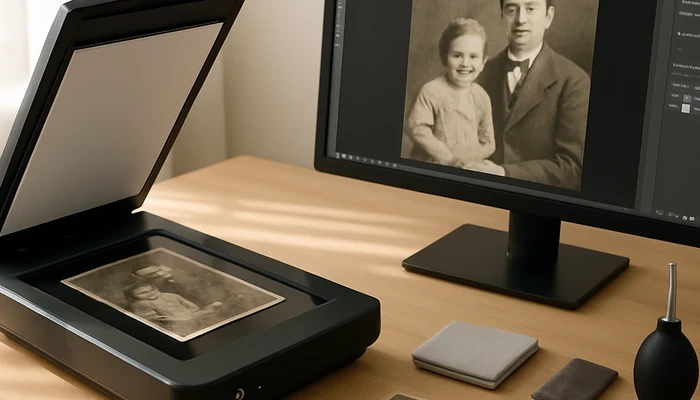
While anyone can snap a photo with a smartphone, professional photography is about storytelling, precision, and the preservation of detail. This becomes even more crucial when restoring historic or beloved family images. Archival scanning preserves textures and subtle details that simple digital retouching often misses, ensuring that your memories look as genuine as possible.
For a deeper look at how restoring worn photographs extends family history, discover strategies to preserve your photos for future generations.
Types of Photo Sessions and Where Restoration Is Crucial
Understanding Each Type of Session
- Wedding Photography: Captures unrepeatable milestones; archival scanning revives faded prints.
- Maternity Sessions: Soft lighting and delicate details benefit from high-fidelity restoration methods.
- Newborn Photography: Preserving the gentle tones and innocence of a baby’s first days requires precision.
- Studio Portraits: Often shared for generations, these deserve restoration that honors original intent.
- Passport Photos: Even official documentation may need archival-quality scans, particularly for historical records.
- Old Family Photos: Restoration becomes more meaningful as time passes, especially with worn or weather-damaged images.
Location Options: Choosing the Right Place for Each Session
- In-Studio Sessions: Controlled lighting and backdrops are ideal for both new portraits and restoration scans.
- Outdoor Sessions: Natural light offers authenticity, though extra care is needed when restoring weather-exposed prints.
- At Home: Replicating family history in a familiar setting (and safely transporting old photos to the studio for scanning).
- Event Venues: Larger group shots often require advanced scanning to maintain clarity after years of storage.
| Session Type | Best Preservation Method | Primary Focus |
|---|---|---|
| Wedding | Archival Scanning | Color, detail, longevity |
| Maternity | Archival Scanning | Delicacy, skin tones |
| Newborn | Archival Scanning | Texture, subtle color |
| Studio Portraits | Archival Scanning | Legacy quality |
| Passport | High-resolution Scan | Official clarity |
| Restoration (old photos) | Archival Scanning + Retouching | Preserving history |
Common Mistakes When Planning Photo Restoration or Sessions
1. Relying Only on Digital Retouching Without Proper Scanning
Simple digital edits may superficially correct blemishes, but without a high-fidelity scan, valuable textures and color subtleties are lost—leading to unnatural results and reduced archival value.
2. Not Consulting a Professional for Old or Damaged Photos
Heavily faded, torn, or mold-damaged prints often require expert tools and careful handling. Skipping professional input can cause irreversible harm.
3. Poor Preparation: Ignoring Originals’ Condition
Attempting to scan or restore without cleaning, flattening, or properly storing a photo risks further damage. Careful pre-restoration steps are essential for quality outcomes.
- For examples of what not to do, see common mistakes in photo restoration.
Best Practices: Preparing for Scanning and Restoration
What to Do Before the Session
- Inspect all originals for dust, mold, folds, or tears before bringing them in.
- Place photographs in acid-free sleeves for transport.
- List your restoration goals (e.g., remove scratches, enhance color, retain authenticity).
Communicating with Your Photographer or Restorer
- Share the stories behind each picture—context can improve restoration decisions.
- Discuss desired outcomes: Do you want a faithful replication, or are creative updates welcome?
- Ask about the possibility of additional prints, albums, or digital archives post-restoration.
Feeling Comfortable During the Session
- If you’re participating in a new portrait session along with restoration, relax and trust the process—experienced studios like Video Studio Jimenez guide you through every step.
- Remember that perfection is not always the goal; preserving emotion, personality, and true likeness ensures memories stay alive.
Explore additional ideas for quality restoration of old pictures and see how professional planning leads to better results.
Deliverables: Formats, Conservation, and Longevity
Digital Files, Prints, Albums, and Enlargements
- Professionally restored images should always be delivered as high-resolution digital files—ideal for sharing and printing.
- Physical prints (on acid-free or archival paper) ensure true colors and texture.
- Custom albums and enlargements enable families to share and display stories for generations.
Backup, Security, and Long-Term Preservation
- Ask for backup copies—both physical and digital. External drives and secure cloud storage are recommended.
- Store original prints and negatives away from light, humidity, and high temperatures whenever possible.
- Review best strategies for preserving old photos in digital format to reduce the risk of loss.
Options for Restoring Old Photographs
Modern archival scanning uses high-resolution sensors and careful color management to capture every nuance. Combined with expert retouching (removing scratches or stains, correcting fading), this approach produces results that simple digital fixes cannot match.
According to Anderson Archival, archival scanning creates the foundation for all high-quality photo restoration work, providing a reliable digital master for future generations. Meanwhile, MemoryCherish highlights the scientific care needed for proper restoration, especially with invaluable family or historical artifacts.
Frequently Asked Questions (FAQ)
What is the difference between archival scanning and digital retouching?
Archival scanning creates a high-resolution, true-to-original digital copy; digital retouching alters the image in software. Proper restoration starts with the best possible scan to preserve authentic details before any edits are made.
Can I restore my old family photos at home?
While basic digital tweaks are possible, advanced restoration—especially for valuable or badly damaged photos—should be handled by professionals to prevent further loss.
How long do restoration and scanning services take?
It depends on the number and condition of photos. On average, a set of 5-10 images can take from a few days to one or two weeks, especially if additional prints or albums are required.
Is restoration only for very old photos?
No. Even photos taken years ago may suffer from poor storage or water damage. Any image with sentimental value, including recent milestones like weddings or newborn sessions, can benefit from proper scanning and restoration.
Do I get my originals back?
Yes. Studios like Video Studio Jimenez handle all originals with extreme care and return them after scanning and any necessary retouching.
How do I prepare my photos for restoration?
Gently clean them with a soft, dry cloth and store them flat. Do not attempt to peel apart stuck photographs or fix tears—leave that to the professionals.
Are prints or digital copies better for long-term preservation?
Ideally, both. Digital backups prevent total loss from fire or water, while quality prints, albums, or canvases become tangible family heirlooms.
What formats are recommended for digital preservation?
TIFF and high-quality JPEG are standard; always request images at the highest resolution available.
Can I use restoration as a gift?
Absolutely. Restored images or albums make meaningful gifts for family celebrations. See more creative gift ideas for restored photos.
Do restoration services keep a copy of my digitized photos?
Some studios may offer temporary cloud backup or archive services, but always clarify policies and maintain your own copies.
Summary and Next Steps
Choosing the right method for photo restoration is an investment in your family’s memory and history. Archival scanning ensures that every nuance is captured, delivering results far beyond basic digital fixes. The careful selection of a studio, thorough preparation, and understanding of available options will help you confidently preserve your legacy. For anyone planning a new session or considering restoration, consult with an experienced professional to avoid regrets and secure your most treasured moments for generations to come.
- Discover more about our professional photo restoration services
- Learn about our photo studio process
- Reserve your consultation with Video Studio Jimenez
About Video Studio Jimenez
Video Studio Jimenez is a professional photography studio supporting couples and families in Chicago, Illinois and surrounding areas. We specialize in wedding photography, maternity sessions, newborn portraits, studio photo shoots, passport photos, and the restoration of cherished family photographs. With years of experience and a commitment to personalized care, Video Studio Jimenez helps ensure your memories are preserved and celebrated for generations.
Professional photographers in chicago, restore old photos Chicago, Photo Restoration Chicago, restore old photos Lake Bluff, Restauración fotográfica Deerfield, Photo Restoration Franklin Park, photo repair services North Riverside, digital photo restoration Skokie, old photo restoration Cook County, professional photo restoration Northlake